Ignacio is the CBDO at Publica.la, leading go-to-market strategy and business development for new markets. With nearly 12 years at VitalSource (Ingram) and deep roots in digital publishing, he brings close to two decades of experience helping publishers and institutions navigate the shift from print to digital — specializing in ebook and audiobook sales and distribution. Based in Raleigh, NC, he's the driving force behind Publica.la's expansion into the U.S. publishing market.
Most mid-size university presses have 10-50 employees and no dedicated IT team. The tech barrier is the top objection to launching D2C. This guide walks through how a press can go from zero to a live ebook store in 30-60 days — from catalog import to storefront launch to reader app branding.
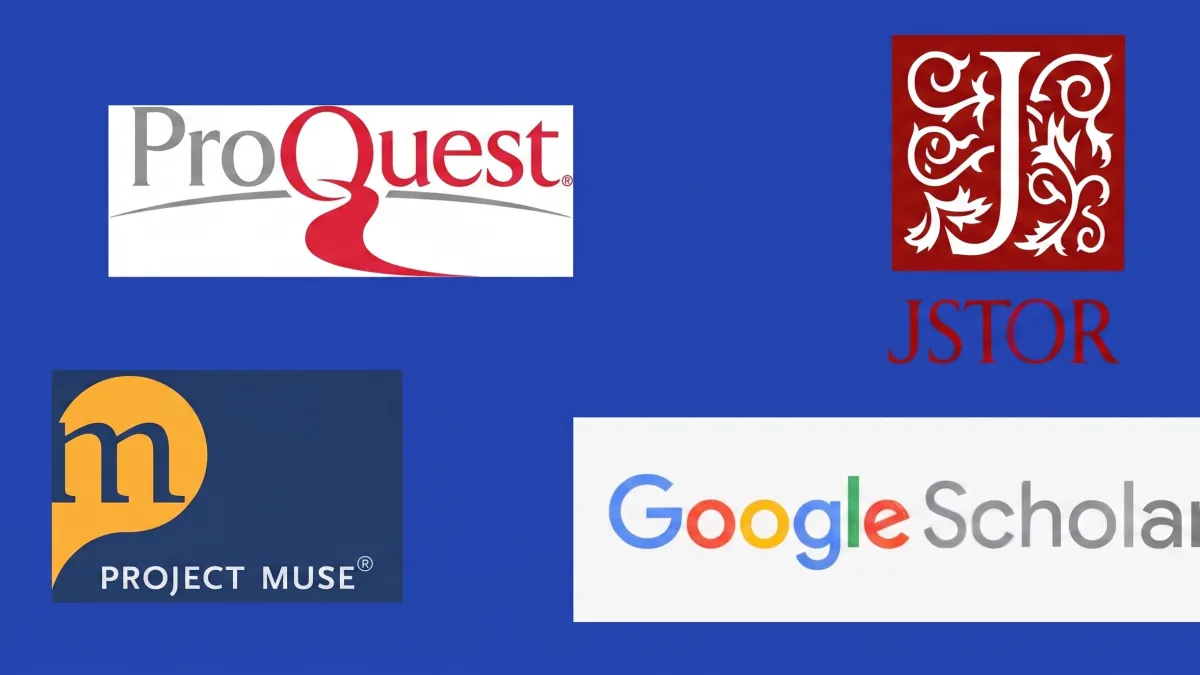
Project MUSE serves institutional libraries. JSTOR archives scholarship and opens access paths. Neither serves individual readers who want to buy directly. D2C fills this gap — and it is complementary, not competitive, with your existing channels. Here is how the three-channel model works.
Amazon takes up to 65% of every sale, locks away your reader data, and controls your discoverability with algorithms you cannot influence. For university presses, the cost goes beyond margin erosion — it undermines your ability to build sustainable D2C revenue. This is not about leaving Amazon. It is about diversifying beyond it.
University presses sell only 1-3% of their titles direct to consumers. With Open Access mandates accelerating, Amazon margins shrinking, and reader data locked behind intermediaries, 2026 is the year to build a D2C channel. Here is the strategic case — and what moving from 1% to 5-10% D2C would mean for a typical press.
ebooksdepository
Find any book. Buy it wherever you like.
Search for an ebook or an audiobook and see which independent bookshops sell it. Then buy it from the one you prefer. It’s free and open to everyone.
 English