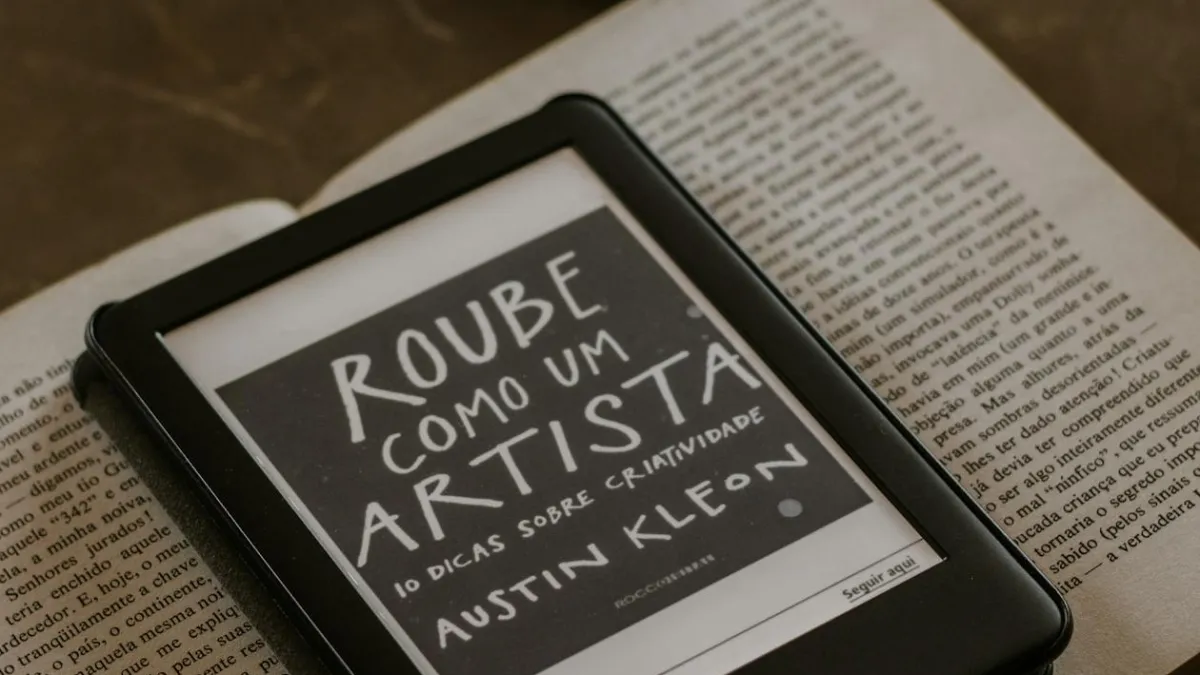
Amazon patented "Kindle MatchBook" in 2013, letting customers add a cheap Kindle edition when they bought a physical book. The program quietly disappeared in 2019 — but the idea behind it was right. Readers want both formats. They want the physical book on the shelf and the digital version on their phone. The bookshops that figure out how to deliver this combination will win the next decade of retail.
Hybrid bundling — selling digital access alongside physical book purchases — is one of the most underleveraged strategies in independent bookselling. Here is how to make it work in your bookshop, whether you operate online, in-store, or both.
Why Hybrid Bundles Make Sense Now
Three trends are converging to make hybrid bundling not just viable but essential:
1. Reading habits are multiformat. A growing number of readers start a book in print at home, continue on their phone during their commute, and switch to audio while cooking dinner. They are not choosing between formats — they want them all. The bookshop that sells only one format is serving only one part of their reading life.
2. Digital margins are high. Once a publisher has produced a digital edition, the marginal cost of each additional copy is near zero. This means the add-on digital version can be priced at a fraction of the physical book's price while still generating meaningful margin. A $2-4 USD digital add-on on a $20 physical book is almost pure profit.
3. Physical bookshops need differentiation. If a reader can buy the same physical book at any bookshop or online retailer, what makes them choose yours? Offering instant digital access as a bonus creates a value proposition that big-box retailers and general-purpose e-commerce sites cannot easily match.
Three Hybrid Bundling Models
Model A: "Buy Print, Add Digital" — the upsell approach. The simplest model. At checkout (in-store or online), offer the customer the option to add the ebook or audiobook version for a small additional fee — typically 20-30% of the digital edition's standalone price. This works best for new releases and bestsellers where readers have the highest intent.
Implementation: At your point of sale, train staff to ask "Would you like the ebook version for just $3 more?" For online orders, add a checkbox at checkout. The key is making the offer feel natural, not pushy.
Model B: "Print + Digital Bundle" — the package deal. Price the bundle as a single product from the start. Instead of selling the physical book at $20 and then upselling the digital, offer "Book + Ebook" at $22 as the default option. This positions the digital access as an expected part of the purchase rather than an add-on.
This model works especially well for children's books (parents want a bedtime copy and a travel copy), textbooks (students need both desk and mobile access), and gift purchases (give the physical book, keep the digital version).
Model C: "QR-to-Digital" — the in-store discovery engine. Place QR codes on your physical shelves that link to the digital edition. When a customer scans the code, they can immediately purchase and start reading the digital version — even if they decide not to buy the physical book. The physical shelf becomes a showroom for your digital catalog.
This is particularly powerful for bookshops with limited physical space. You can display a curated selection of physical titles while your QR codes expose customers to a much larger digital catalog.
Pricing Hybrid Bundles
The magic number for a digital add-on is 15-25% of the physical book's price. At this range, the incremental cost feels negligible to the buyer while still contributing meaningful revenue.
Some guidelines:
- New releases: Price the digital add-on at 25% of the physical price. Demand is high and readers expect to pay something for the convenience.
- Backlist titles: Price the digital add-on at 15% or offer it free as a loyalty incentive. The goal here is catalog discovery, not margin.
- Premium editions: For hardcovers or special editions, include the digital version at no extra cost. The perception of added value justifies the premium price.
Always present hybrid pricing with a clear savings message: "Physical book: $20 | Ebook alone: $12 | Physical + Ebook: $23 (save $9)." The anchoring against the standalone ebook price makes the bundle feel like a deal.
Technical Requirements
Hybrid bundling requires your physical and digital sales channels to be connected. Here is what you need:
- A digital storefront capable of delivering ebooks and audiobooks with DRM or social DRM protection.
- A redemption system that lets physical book buyers access their digital version — typically via a code printed on the receipt, a QR code inside the book, or an account-based system where the digital title is added to the customer's library upon purchase.
- Inventory integration so your POS system can handle combo pricing and link physical and digital SKUs.
Platforms like Publica.la make this integration straightforward, providing the digital storefront, reading apps, and content delivery infrastructure needed to power hybrid bundles without building custom technology.
Making It Work In Practice
The bookshops that succeed with hybrid bundling share three traits:
- They train their staff. In-store teams need to understand and champion the digital offering. A bookseller who personally uses and loves the digital reading app will sell hybrid bundles effortlessly.
- They market the combination, not just the book. Signage, social media, and email campaigns should highlight the "two formats, one purchase" value proposition — not just the title.
- They measure relentlessly. Track hybrid bundle attach rates, digital activation rates (how many buyers actually redeem the digital version), and the impact on customer lifetime value. Use this data to refine pricing and merchandising.
Hybrid bundling is not about choosing between physical and digital — it is about giving readers a reason to choose your bookshop for both. In a market where convenience drives loyalty, the ability to hand someone a beautiful physical book and say "the ebook is already in your app" is a competitive advantage that is hard to beat.
Ready to build a bookshop that bridges physical and digital? Read our complete guide to launching a digital bookshop and start creating the hybrid experience your readers are waiting for.