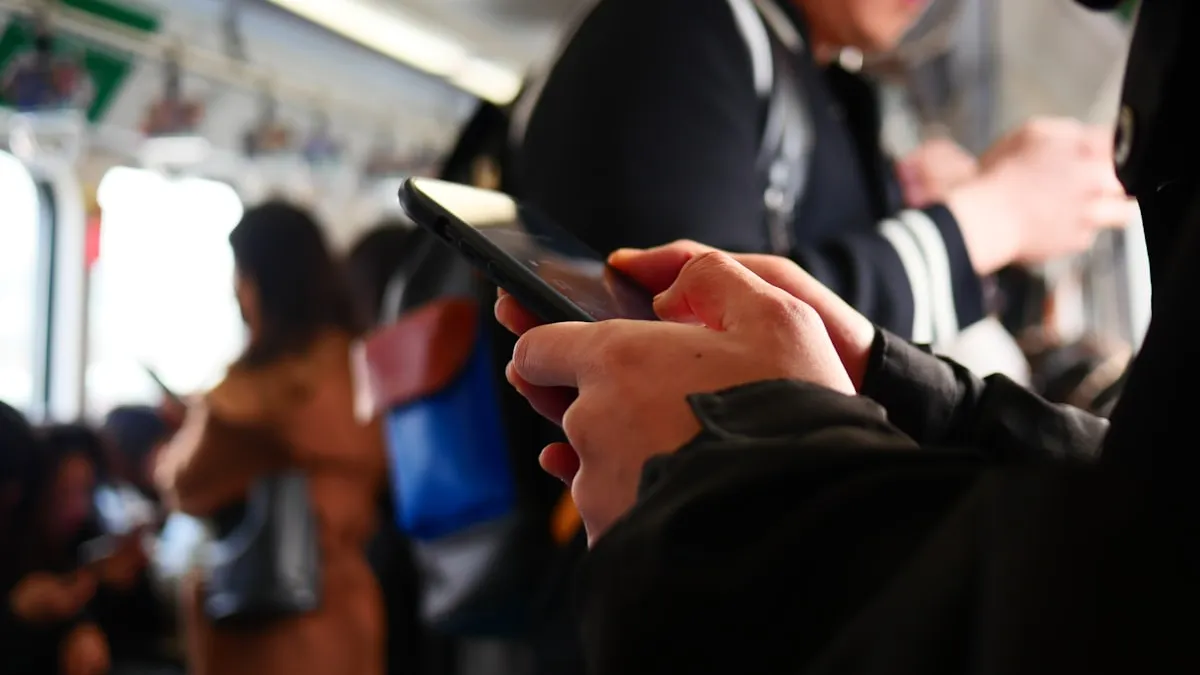
Seventy-three percent of library digital checkouts now originate from a mobile device. That number has climbed steadily for the past five years, and it is not slowing down. Yet walk through the setup process of most institutional digital lending platforms and you will find interfaces that were clearly designed on a 27-inch monitor — then grudgingly squeezed onto a phone screen as an afterthought.
The gap between how patrons actually read and how platforms expect them to read is not a minor inconvenience. It is the single biggest driver of low adoption rates in digital lending programs. When a patron has to pinch-zoom a catalog page, navigate a seven-step checkout process, or download a separate app just to open a borrowed title, the library loses that reader — often permanently.
The Mobile Reality of Modern Library Usage
Understanding why mobile matters starts with understanding who your patrons are and when they read. For public libraries, the peak borrowing window is between 8 PM and 11 PM — the hours when people are on the couch, in bed, or commuting home. They are on their phones. Not at a desk.
For academic libraries, the pattern is even more mobile-centric. University students live on their phones. They discover titles through social media recommendations, read between classes, and annotate on tablets during study sessions. A platform that requires them to switch to a laptop to complete a checkout is a platform that loses them at the critical moment of intent.
The data backs this up consistently:
- Mobile-first platforms see 2.4x higher checkout completion rates compared to responsive-but-desktop-first alternatives.
- Average session duration on mobile library apps is 23 minutes — longer than most social media sessions — when the reading experience is optimized.
- Patron return rates within 30 days are 68% higher on native mobile apps versus browser-based mobile experiences.
These are not marginal differences. They represent the gap between a digital lending program that justifies its budget and one that collects dust.
What “Mobile-First” Actually Means for Libraries
Mobile-first is not the same as mobile-friendly. A mobile-friendly platform takes a desktop interface and makes it usable on smaller screens. A mobile-first platform designs every interaction — discovery, borrowing, reading, returning — around the constraints and strengths of a phone.
Here is what that looks like in practice:
Discovery and browsing. On a mobile-first library app, the catalog is not a searchable database — it is a curated, scrollable experience. Think recommendation carousels, personalized suggestions based on borrowing history, and genre-based browsing that works with thumb navigation. The search function exists, but it is not the primary way patrons find their next read.
Borrowing and holds. The checkout flow should be two taps: borrow, then read. Not borrow, confirm, choose format, download to a separate app, authenticate again, and then read. Every additional step costs you patrons. The best mobile library apps reduce friction to the absolute minimum — one-tap borrows with automatic format selection based on the patron's device.
Reading experience. This is where native apps dramatically outperform browser-based solutions. A native reading app can offer offline access, adjustable typography, night mode, bookmarks, highlights, and seamless progress syncing across devices. A browser-based reader can offer some of these features, but with compromises in performance and reliability that patrons notice.
Notifications and engagement. Mobile-first platforms can use push notifications to alert patrons when holds become available, when loans are about to expire, or when new titles matching their interests are added to the collection. These gentle nudges keep patrons engaged without requiring them to remember to check the library catalog.
The Cost of Getting Mobile Wrong
Libraries invest significant budgets in digital content — ebook licenses, audiobook subscriptions, platform fees. When the mobile experience is poor, that investment is wasted on content nobody accesses.
Consider a typical scenario: a public library launches a digital lending program with 15,000 titles. The catalog is strong, the licensing terms are reasonable, and the marketing push generates genuine interest. But the platform's mobile experience requires patrons to create a separate account, download a third-party reading app, and navigate an interface that feels like it was designed in 2012.
Six months later, utilization data tells the story: only 8% of registered patrons have completed more than one checkout. The remaining 92% tried once, hit friction, and never came back. The library's per-checkout cost is astronomical, and the program's future budget is in jeopardy.
This is not hypothetical. It is the lived experience of hundreds of institutions that chose platforms based on catalog size or licensing cost without evaluating the patron experience.
What to Demand from Your Digital Lending Platform
When evaluating or switching library digital lending platforms, the mobile experience should be a primary criterion — not a checkbox item buried on page five of the RFP. Here is what to look for:
- Native reading apps for iOS and Android. Browser-based readers are acceptable as a fallback, but native apps should be the primary experience. They offer better performance, offline support, and deeper device integration.
- White-label branding. The app should feel like your library's app, not a third-party platform. Patrons trust their library's brand. A generic or co-branded app creates confusion about who they are borrowing from.
- Single sign-on integration. Patrons should authenticate once using their existing library credentials — whether that is a library card number, university SSO, or institutional SAML. No separate accounts.
- Offline reading capability. Mobile readers are often in places with unreliable connectivity — commuter trains, rural areas, buildings with poor signal. Downloaded content that works offline is not a luxury; it is a requirement.
- Multi-format support in a single app. Patrons should not need different apps for EPUBs, PDFs, and audiobooks. One app, one library, every format.
The platforms that get this right see dramatically different outcomes. Libraries using mobile-first platforms with native apps consistently report utilization rates three to five times higher than those using browser-only solutions.
The lesson is clear: your digital lending program is only as good as the experience it delivers on the device your patrons actually use. And that device, overwhelmingly, fits in their pocket.
If you are exploring how to improve your institution's digital lending experience, start with the broader challenges facing libraries in the digital transition. Our guide on digital library platforms and the challenges they face provides the strategic context you need to make informed decisions.