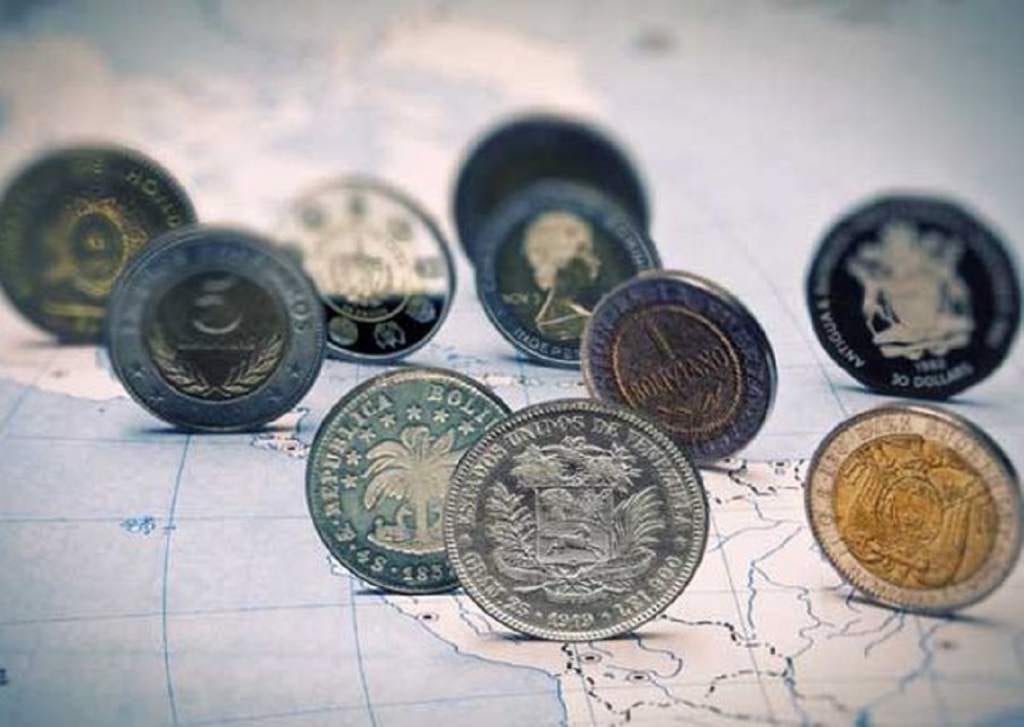

Selling ebooks in a single currency across Latin America is like opening a bookshop and insisting every customer pay in a foreign denomination. You might make some sales, but you are leaving most of your market on the sidewalk.
Latin America is a region of wildly different economies, currencies, and purchasing power levels. A price that feels fair in Santiago may be unaffordable in Bogota and undervalued in Sao Paulo. For digital bookshops operating across LATAM, getting multi-currency pricing right is not a nice-to-have — it is the difference between a business that scales and one that stalls at the border.
Why Single-Currency Pricing Fails in LATAM
The temptation is to price everything in US dollars. It is simple, universal, and eliminates exchange rate headaches. But here is the problem: USD pricing alienates the majority of Latin American readers.
In many LATAM countries, dollar-denominated transactions carry additional bank fees, unfavorable exchange rates at the point of purchase, and a psychological barrier that makes the product feel imported rather than local. A reader in Mexico who sees a price of $9.99 USD will often pay 15-20% more than the sticker price once their bank applies its own exchange rate and foreign transaction fee.
Beyond the financial friction, there is an emotional dimension. Local currency pricing signals that your bookshop understands and belongs to the local market. It builds trust in a way that dollar pricing simply cannot.
Purchasing Power Parity: The Foundation of Smart Pricing
Purchasing power parity (PPP) is the principle that a product should cost roughly the same in real terms across different markets. In practice, this means adjusting your ebook prices so that a reader in Lima spends a comparable proportion of their income as a reader in Buenos Aires.
This does not mean charging the same number in every currency. It means charging the same value. Here is a practical framework:
- Set your anchor price in your primary market (say, $8.99 USD for a standard ebook).
- Research PPP multipliers for each target country. The World Bank publishes PPP conversion factors annually.
- Apply the multiplier to get your base local price, then round to a psychologically appealing number in each currency.
- Validate against the market: Check what competing ebook platforms charge for similar titles in each country. Your PPP-adjusted price should land in a competitive range.
For example, if an ebook costs $8.99 USD in the US, a PPP-adjusted price might be roughly CLP 5,990 in Chile, COP 29,900 in Colombia, MXN 129 in Mexico, and BRL 34.90 in Brazil. These are not exact conversions — they are calibrated to what readers in each market can comfortably afford.
Dynamic Pricing and Promotional Flexibility
Static pricing is a missed opportunity. The best digital bookshops use dynamic pricing strategies that adapt to market conditions, demand patterns, and promotional calendars.
Time-based promotions: Run localized sales during each country's key shopping moments — El Buen Fin in Mexico, CyberDay in Chile, Black Friday in Brazil. Readers respond strongly to discounts that feel culturally relevant.
Genre-based pricing tiers: Not every book needs to cost the same. Bestsellers and new releases can command premium pricing, while backlist titles and indie authors benefit from lower entry points that drive discovery.
Bundle discounts: Offer reduced prices when readers buy multiple titles in a series or collection. This increases average order value while making the per-title cost feel like a better deal.
Subscription models: For bookshops with deep enough catalogs, a monthly subscription priced in local currency can create predictable revenue and strong reader retention. The key is pricing the subscription low enough to feel like a bargain compared to buying individual titles.
Payment Gateway Considerations
Multi-currency pricing only works if readers can actually pay in their local currency. This means partnering with payment gateways that support LATAM-specific payment methods:
- Local credit and debit cards: Many LATAM readers use domestic card networks (like Redcompra in Chile or OXXO in Mexico) that do not work with standard US payment processors.
- Installment payments: In countries like Argentina, Brazil, and Mexico, offering payment in installments (cuotas) is standard practice for purchases above certain thresholds. This is especially important for bundles or premium titles.
- Digital wallets: Mercado Pago, PIX (Brazil), and other local digital payment methods are increasingly popular and often have lower transaction fees than international credit cards.
A platform like Publica.la handles multi-currency pricing and LATAM payment processing natively, eliminating the need to stitch together multiple payment providers or build custom currency conversion logic.
Avoiding Common Pricing Mistakes
Even with the right strategy, multi-currency pricing has pitfalls:
- Do not convert mechanically. Simply running today's exchange rate on your USD price gives you a number, not a strategy. Prices need to be set deliberately for each market.
- Do not forget taxes. VAT and digital service taxes vary across LATAM countries. Your displayed price should be tax-inclusive wherever possible — surprising readers with added taxes at checkout destroys conversion rates.
- Do not set it and forget it. Currency fluctuations in LATAM can be dramatic. Review your local prices quarterly and adjust when exchange rates move significantly.
- Do not ignore price anchoring. Readers in each market have mental benchmarks for what a digital book should cost. Research local norms before setting prices.
Multi-currency pricing in Latin America is complex, but it is also a massive competitive advantage. Bookshops that price thoughtfully across currencies do not just sell more — they build deeper trust with readers who feel seen and valued in their own market.
Want to learn more about payment infrastructure for digital bookshops? Read our guide to payment processing for digital bookshops and discover how to remove friction from every transaction.