
Il Blog di publica.la
Guide, casi di successo, tendenze del mercato e aggiornamenti del prodotto per l'editoria digitale.

Flashcards
Il primo strumento di studio integrato nel reader: i tuoi lettori possono trasformare qualsiasi libro in una sessione di studio attiva senza uscire dalla lettura.
Leggi di più
El stack tecnológico para autopublicar en 2026: del manuscrito a la venta
Guía concreta del stack tecnológico que un autor indie necesita en 2026, dividido en seis capas, con precios reales y decisiones de trade-off para cada herramienta.
Leggi di più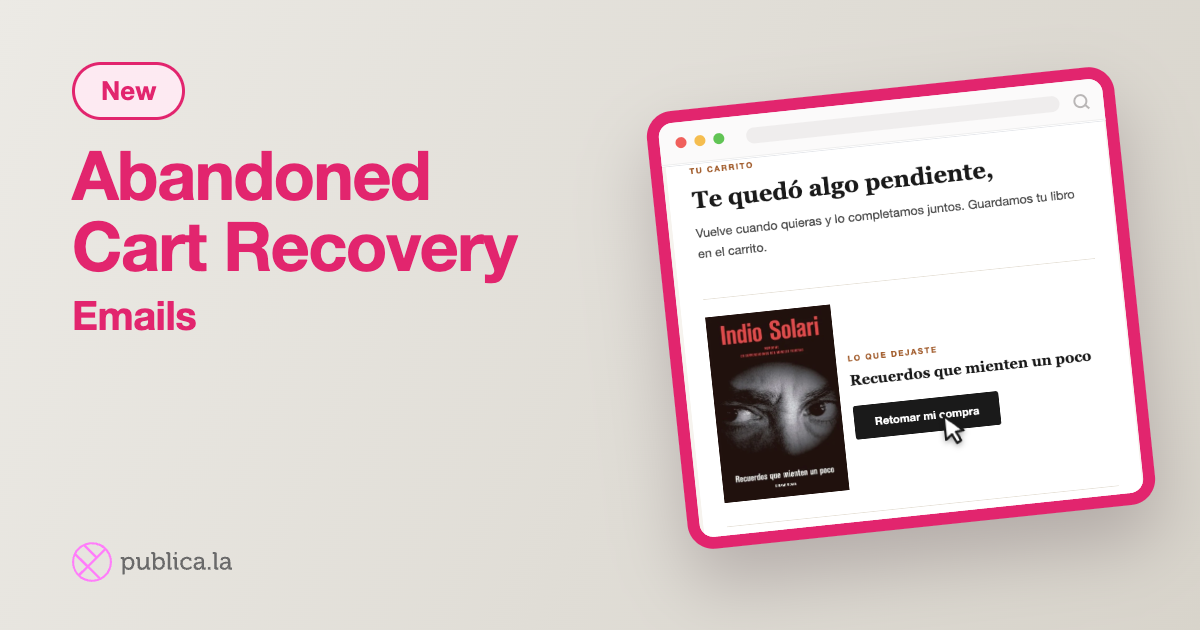
Email di recupero dei carrelli abbandonati
Il tuo store ora invia automaticamente un'email ai lettori che lasciano un acquisto o un abbonamento a metà, riportandoli al checkout con un clic.
Leggi di più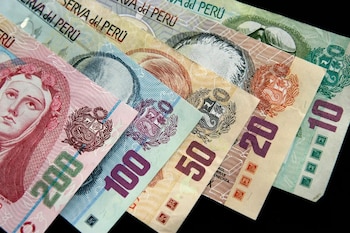
How to Get Paid in Local LatAm Currencies as an Indie Author
Practical guide for Spanish-speaking indie authors who want to get paid in their local currency through MercadoPago, PIX, Khipu, Bamboo and PayU instead of waiting 60 days for USD wires from Amazon.
Leggi di più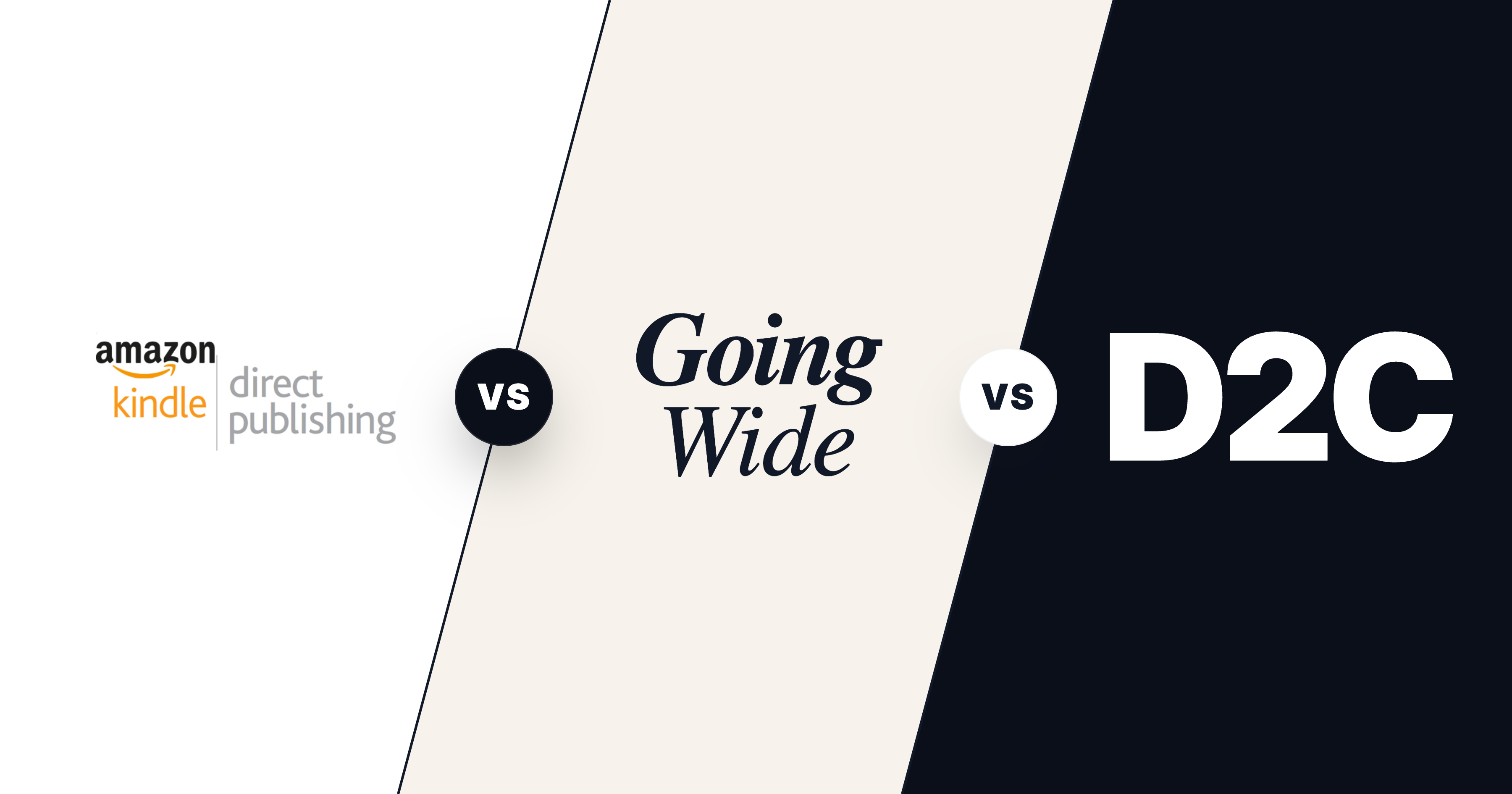
KDP Select vs Going Wide vs D2C: A Decision Framework for Indie Authors
Three options, three different bets. A practical decision framework to pick between Amazon exclusivity, going wide across marketplaces, and adding a direct-to-consumer channel.
Leggi di più
Leggere è meglio insieme: arrivano le note condivise
I tuoi lettori possono ora condividere ciò che evidenziano e seguirsi a vicenda in qualsiasi libro, trasformando la lettura solitaria in un'esperienza sociale che fa tornare aule, club del libro e gruppi di studio.
Leggi di più
Owning Your Readers: Why Authors Need a Direct Channel (Not Just a Mailing List)
A mailing list is half an asset. The other half — the transaction, the reading behavior, the repeat-purchase signal — lives on the platform you sold through. Here's why D2C closes that loop.
Leggi di più
How to Sell Books From Your Own Website Without Becoming a Developer
A no-code guide for indie authors who want to sell books direct from their own storefront. What "storefront" actually means today, the six pieces you need, and the realistic setup timeline.
Leggi di più
How to Sell Books From Your Own Site Without Amazon: A Complete Guide for Indie Authors
A step-by-step guide for indie authors who want to sell books direct from their own storefront, with local LatAm payments and zero dependency on Amazon KDP.
Leggi di più
Amazon KDP vs Direct-to-Consumer: The Author's Revenue Math in 2026
A clear-eyed look at the actual per-sale math for indie authors selling on Amazon KDP vs running their own direct-to-consumer store. Real numbers, real tradeoffs, no marketing fluff.
Leggi di più
Come lanciare un ebook store universitario senza personale IT
La maggior parte delle university press di medie dimensioni ha 10-50 dipendenti e nessun team IT dedicato. Questa guida mostra come passare da zero a un ebook store in 30-60 giorni.
Leggi di più
MUSE, JSTOR e D2C: perché servono tutti e tre
Project MUSE serve le biblioteche istituzionali. JSTOR archivia e apre percorsi di accesso. Nessuno serve i lettori individuali. Il D2C colma questa lacuna in modo complementare.
Leggi di più