
The publica.la Blog
Guides, case studies, market insights, and product updates for the digital publishing industry.
Latest
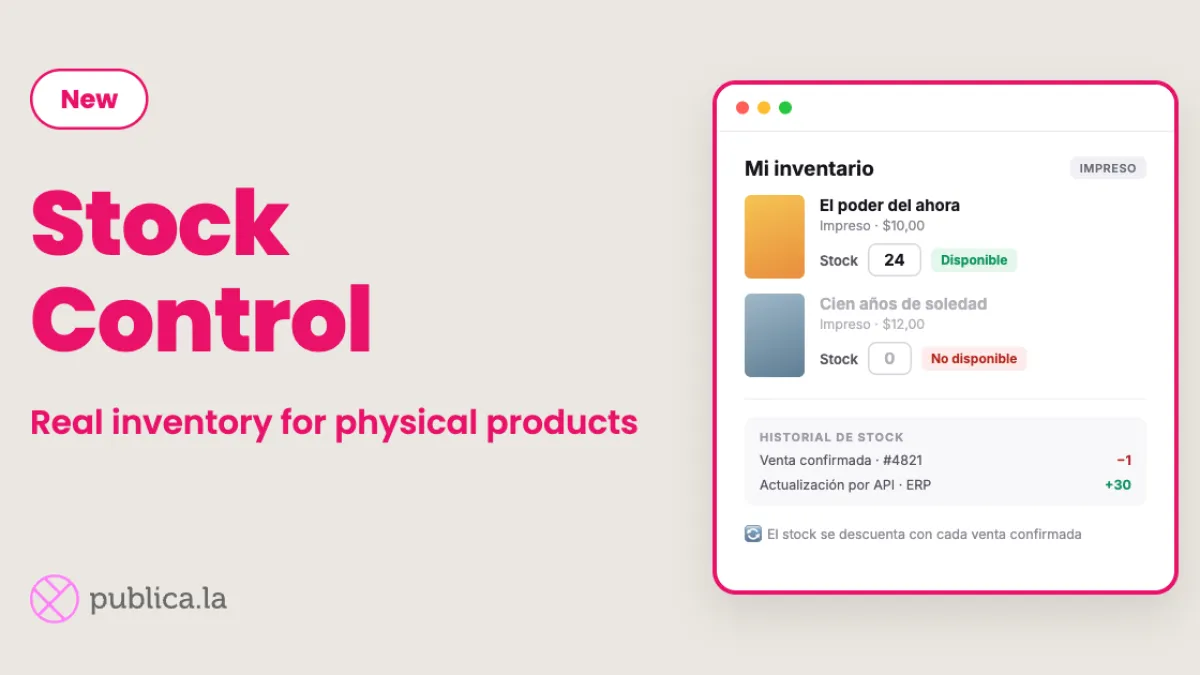
Stock control for physical products
Assign available units to every physical product and let each confirmed sale update the count automatically. When a title runs out, your store stops selling it — overselling is over.

Chat with this book
The AI reading assistant now works on EPUB — the format most of your catalog lives in — and arrives redesigned as a native part of the reader.
Read more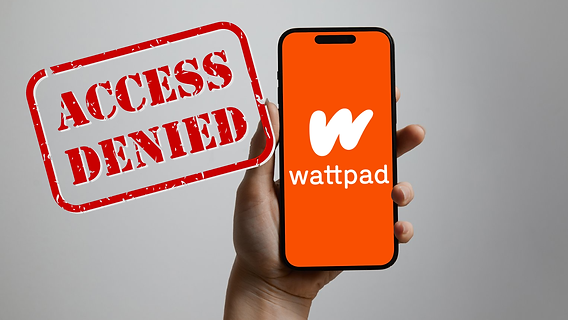
De Wattpad a tu propia tienda: playbook de migración para autores con audiencia
Read more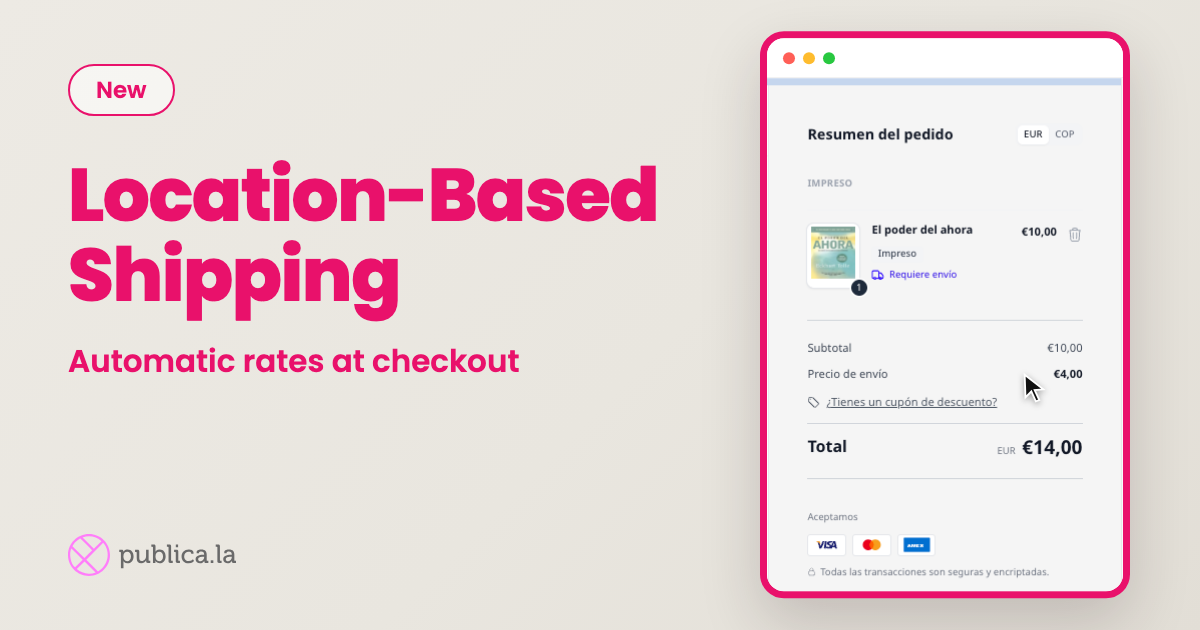
Location-Based Shipping
Checkout now calculates the exact shipping cost for each buyer's region automatically. Set a price per province, offer free shipping where you choose, and watch totals update in real time.
Read moreProduct Updates
New features, improvements, and announcements from the platform.
Stock control for physical products
Assign available units to every physical product and let each confirmed sale update the count automatically. When a title runs out, your store stops selling it — overselling is over.
Read more
Chat with this book
The AI reading assistant now works on EPUB — the format most of your catalog lives in — and arrives redesigned as a native part of the reader.
Read more
Location-Based Shipping
Checkout now calculates the exact shipping cost for each buyer's region automatically. Set a price per province, offer free shipping where you choose, and watch totals update in real time.
Read moreGuides & Insights
Timeless resources for digital publishers, bookstores, and libraries.
De Wattpad a tu propia tienda: playbook de migración para autores con audiencia
Read more
Producción de audiolibros para autores indie: AI narration vs estudio humano en 2026
Read more
DRM para autores indie: cuándo lo necesitás de verdad (y cuándo no)
Read moreAll Posts
Meet our authors
Stock control for physical products
Assign available units to every physical product and let each confirmed sale update the count automatically. When a title runs out, your store stops selling it — overselling is over.
Read more
Chat with this book
The AI reading assistant now works on EPUB — the format most of your catalog lives in — and arrives redesigned as a native part of the reader.
Read more
De Wattpad a tu propia tienda: playbook de migración para autores con audiencia
Read more
Location-Based Shipping
Checkout now calculates the exact shipping cost for each buyer's region automatically. Set a price per province, offer free shipping where you choose, and watch totals update in real time.
Read more
Producción de audiolibros para autores indie: AI narration vs estudio humano en 2026
Read more
Introducing Origami: the creative toolchain for publishing — free for publica.la customers
Origami is a new product from the team behind publica.la: drop in an ebook and get validation, accessibility, quality, metadata and AI descriptions in seconds. It's included at no extra cost for every publica.la customer — here's what it does today and what's coming.
Read more
DRM para autores indie: cuándo lo necesitás de verdad (y cuándo no)
Read more
Sell anywhere you share: introducing the Buy button
Turn any title or plan into a one-click "Buy now" link. Copy it from your dashboard, paste it anywhere — email, social, WhatsApp, an ad — and readers land straight at checkout instead of…
Read more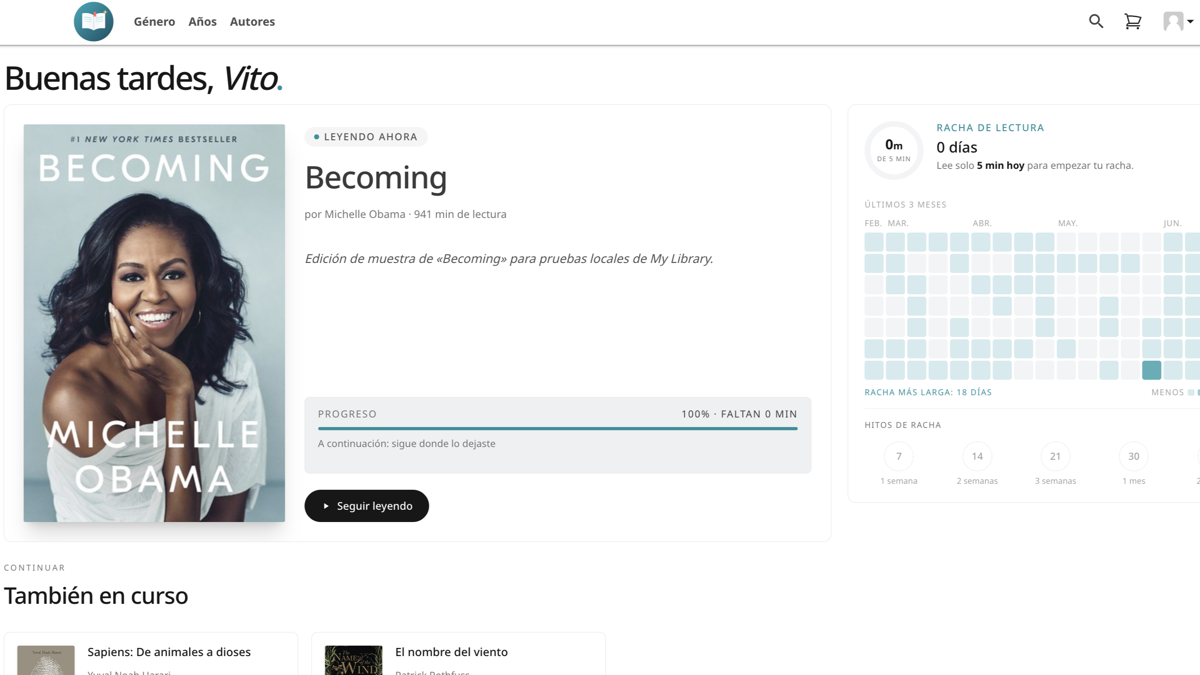
My Library
Your readers' bookshelf just became a reading habit companion: pick up right where they left off and watch their streak grow.
Read more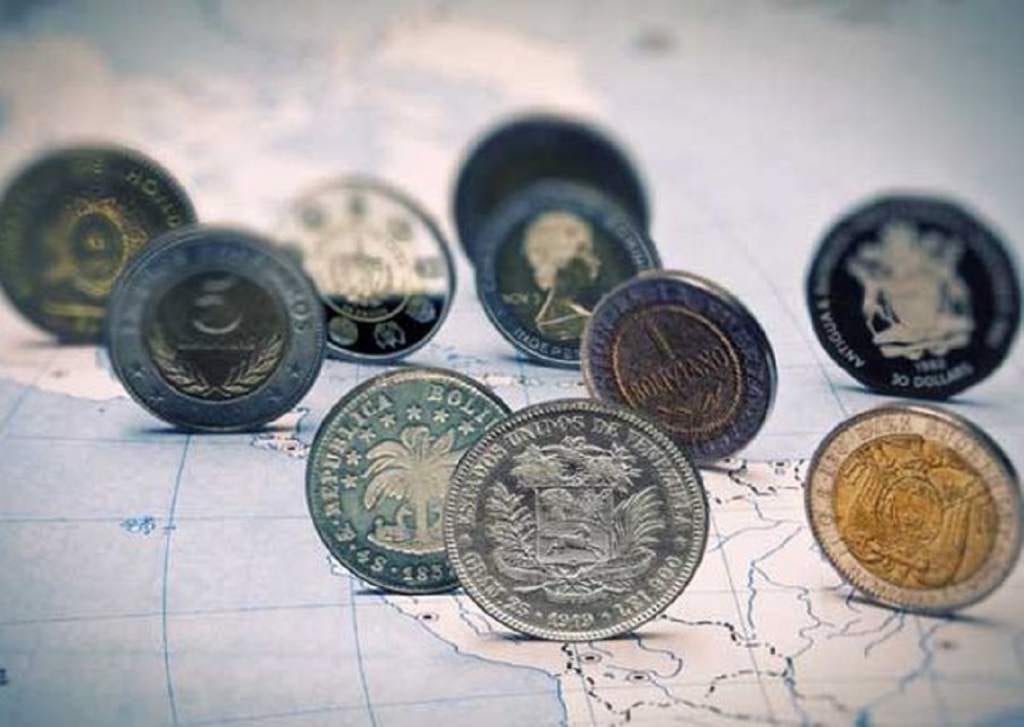
Cómo ponen precio los autores indie hispanos: realidad multi-moneda en LatAm
Guía práctica para autores indie hispanos: rangos típicos de precio por país en LatAm, distorsión de KDP en USD, estrategia multi-moneda nativa y ejemplos concretos para novela, no ficción y obras cortas.
Read more
Conversión de newsletter para autores: por qué 1,5% es el número real que tenés que superar
Una mirada concreta al número real que separa a los autores con newsletter funcional de los que tienen una lista decorativa. Cómo se compone ese 1,5%, qué lo rompe y qué palancas mueven la aguja sin recurrir a tácticas que erosionan la lista.
Read more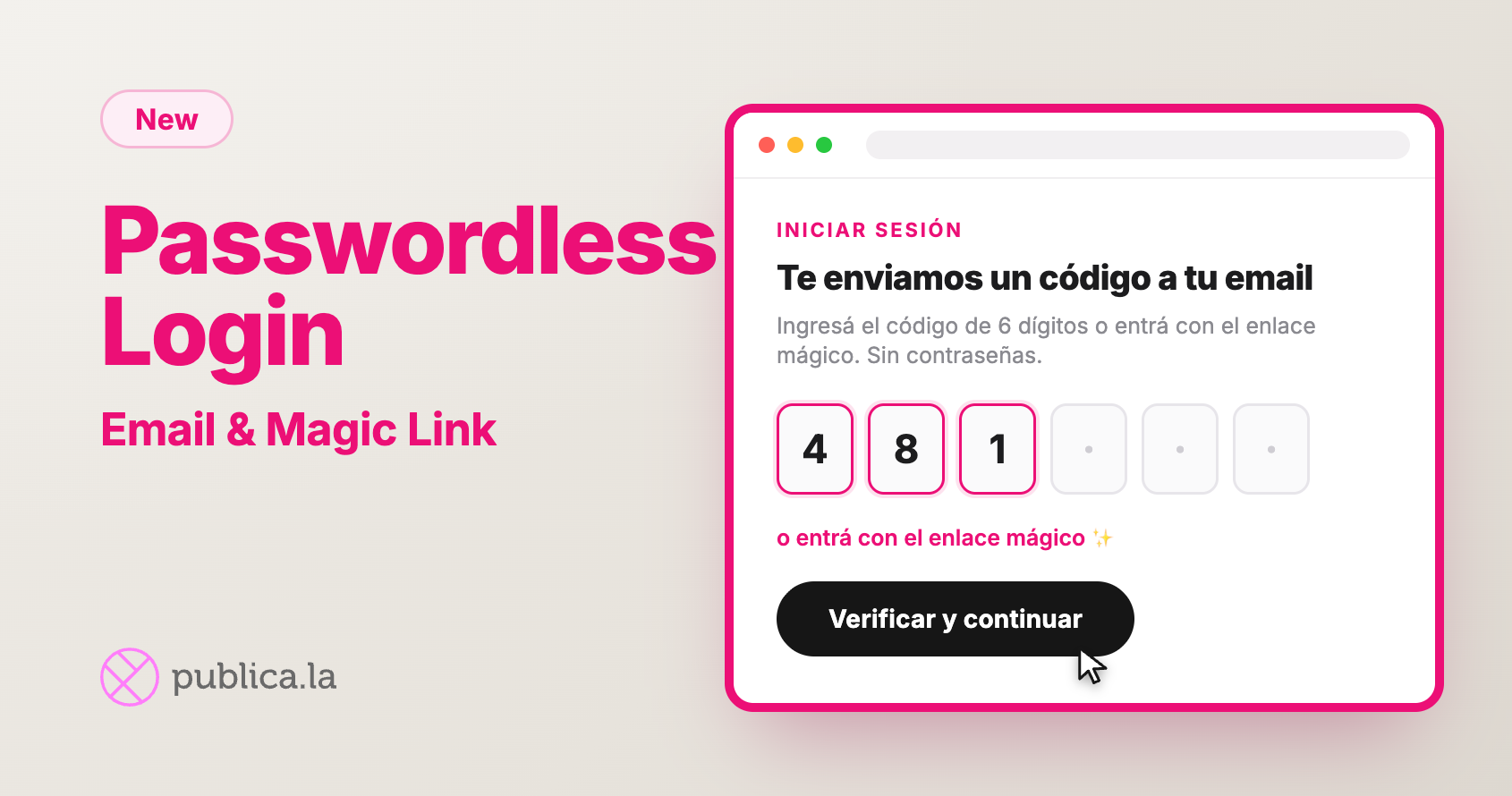
Passwordless login for your buyers
Your buyers can now sign in and register without a password — they enter their email and receive a 6-digit code and a single-use magic link. Less friction, higher conversion.
Read more